
Naturally Occurring Toxins
Mycotoxin, glycoalkaloid and marine biotoxin screening for grains, spices, nuts, oilseeds and seafood, catching contamination that has nothing to do with your process, but everything to do with your liability.
What are naturally occurring toxins?
Naturally occurring toxins are compounds produced by fungi, plants and marine organisms themselves, not introduced by processing. Aflatoxins in groundnuts and spices, ochratoxin A in coffee and dried fruit, glycoalkaloids in potatoes, and biotoxins in shellfish can all appear in raw material that looks and smells completely normal, and levels can vary from one harvest lot to the next.
Equinox Labs screens for mycotoxins, glycoalkaloids and marine biotoxins in grains, spices, nuts, oilseeds, coffee, dried fruit and seafood using HPLC and LC-MS/MS methods, benchmarked against FSSAI and Codex Alimentarius limits, so contaminated raw material gets caught before it enters your production line. It's often tested alongside heavy metals & pesticides testing and our broader food safety testing services.

Why does untested raw material carry liability?
Four risks that follow contamination your process didn't cause but your brand still owns.
- Consumer health risk. Aflatoxin B1 carries recognised carcinogenic potential, and it enters raw material without any visible warning sign.
- Regulatory action. Exceeding FSSAI or Codex limits can trigger a compliance notice or a product recall, even when your process is otherwise sound.
- Blocked exports. EU and US mycotoxin limits are often stricter than domestic FSSAI thresholds, and a shipment can be held at the border.
- Downstream contamination. Feed-level aflatoxin passes into milk as aflatoxin M1, meaning a raw material problem becomes a finished-product problem.
What does NOT screening cover across raw material categories?
From mycotoxins in stored grain to biotoxins in seafood.
Mycotoxins
Aflatoxin, ochratoxin A, zearalenone and fumonisin testing in grains, nuts and spices.
Glycoalkaloids
Solanine and chaconine screening in potatoes and other nightshade produce.
Marine Biotoxins
Paralytic and diarrhetic shellfish toxin testing for seafood and shellfish exports.
Patulin Screening
Testing for patulin contamination in apple-based and other fruit-derived products.
Amygdalin Testing
Screening seeds and kernels for amygdalin, the compound that can release cyanide.
Aflatoxin M1 In Dairy
Downstream milk testing that traces back to aflatoxin B1 contamination in animal feed.
Which toxins do you screen for?
Covering the major NOT categories relevant to Indian food exports and domestic sale.
Mycotoxins
Plant Toxins
Marine Toxins
Who needs naturally occurring toxin testing?
From spice exporters to seafood processors and plant-based beverage makers.
Grain, Spice & Nut Exporters
Pre-shipment mycotoxin screening to meet importing country limits.
Seafood & Shellfish Processors
Marine biotoxin testing ahead of export or domestic distribution.
Feed & Dairy Manufacturers
Aflatoxin M1 testing in milk, driven by aflatoxin B1 contamination in animal feed.
Plant-Based Beverage Producers
Raw grain, nut and oilseed input screening before it carries through into the finished drink.
Coffee & Dried Fruit Processors
Ochratoxin A screening across storage and processing stages most prone to contamination.
Retailers & Private Label Brands
Independent verification of raw material safety before it carries your retail label.
Food Adulteration 2026: Risks, Testing & Prevention Guide
Food adulteration today is calculated and harder to detect, and naturally occurring toxins are one of the least visible risks in a raw material supply chain. Learn how to spot vulnerable ingredients, strengthen supplier checks, and apply smarter testing to safeguard reputation and compliance.
- Ingredient risk ranking. How ingredient risk ranking improves raw material sourcing decisions.
- Smarter testing. Why smarter testing detects hidden adulteration risks early.
- Supplier audits. How supplier audits reveal gaps before problems escalate.
- Prevention-first culture. Why a prevention-first culture protects long-term brand credibility.
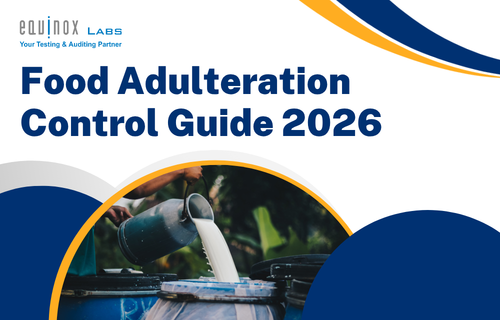 Free Guide
Food Adulteration 2026: Risks, Testing & Prevention Guide
Learn how to spot vulnerable ingredients and apply smarter testing to safeguard reputation and compliance. Download the free guide.
Download Your Free GuideHidden risks in everyday ingredients
 Video
Paneer Adulteration: 4-Step Home Test
- How adulteration and natural toxins get into the food chain undetected
- Which raw materials are most vulnerable and why
- The testing that keeps aflatoxins, mycotoxins and similar risks in check
Sample to certified report, in four steps
The same process across every NOT screening engagement.
Inquire
Tell us your raw material category and destination market.
Sample Collection
Send in or have us collect representative lot samples for testing.
Testing
Samples are screened using HPLC/LC-MS/MS at our accredited laboratories.
Results & Support
We email your certified report and advise on any corrective action needed.
Access the Equinox PortalCatching what your process didn't create
Accredited methodology and export-market limit fluency.
NABL Accredited
ISO/IEC 17025 accredited testing recognised by regulators and export authorities.
Export-Limit Fluency
Familiar with EU, US and Codex mycotoxin limits alongside FSSAI norms.
Pan-India Reach
Sample logistics and testing coverage across 500+ cities, trusted by 95,000+ clients.
A Dedicated Account Manager
One point of contact who tracks your lot-wise testing calendar.
Naturally occurring toxin FAQs
NOTs are toxic compounds produced naturally by fungi (mycotoxins), plants (glycoalkaloids) or marine organisms (biotoxins), rather than being introduced during processing or from external contamination.
Groundnuts, maize, spices (especially chilli and turmeric), tree nuts, dried fruit and coffee are commonly screened for aflatoxin and ochratoxin A due to storage and climate conditions in India.
Aflatoxin B1 is generally considered the most toxic of the common mycotoxins, with recognised carcinogenic potential, which is why it carries some of the strictest permissible limits under FSSAI and Codex.
When dairy cattle consume feed contaminated with aflatoxin B1, their metabolism converts it into aflatoxin M1, which is then excreted in milk, making milk testing a downstream check on feed quality.
Yes, often. EU and US limits for aflatoxins and other mycotoxins can be stricter than FSSAI's domestic limits, so we test against whichever standard applies to your destination market.
We use HPLC (High-Performance Liquid Chromatography) and LC-MS/MS (Liquid Chromatography-Mass Spectrometry) at NABL-accredited laboratories, methods validated for the trace-level detection these toxins require.
Yes. Plant-based beverage producers screen raw grain, nut and oilseed inputs for the same mycotoxin risk that affects solid food products, since contamination carries through into the finished drink.
Get your Naturally Occurring Toxins enquiry answered
Tell us a little about your requirement and our team will get back to you within one working day.
- Response within one working day
- PAN-India service network
- Dedicated account manager
Thanks, we've got your enquiry
Our team will reach out within one working day to discuss your requirement.