Introduction
Water quietly changes taste, hygiene, shelf life, texture, and customer trust in every restaurant, cloud kitchen, and food processing facility. What's the problem? Most facilities do not monitor the water that comes into contact with food.
We've broken down how each water source affects food preparation, the hidden risks which are often overlooked, and what testing reveals before quality slips or illness strikes.
Why Water Quality Matters in Food Preparation
Even a perfectly sanitised kitchen fails when unsafe water enters the recipe. Microbes survive rinsing. Chemicals survive boiling. TDS alters taste and texture.
Real risk begins at the source:
- Groundwater — brings hardness and pathogens
- Municipal water — carries chlorine and fluctuating purity
- Treated / RO — ensures consistency, safety, and flavor neutrality
Choosing the right supply is no longer a convenience; it’s a control point.
Understanding the Three Sources of Water
1. Borewell Water (Underground Source)
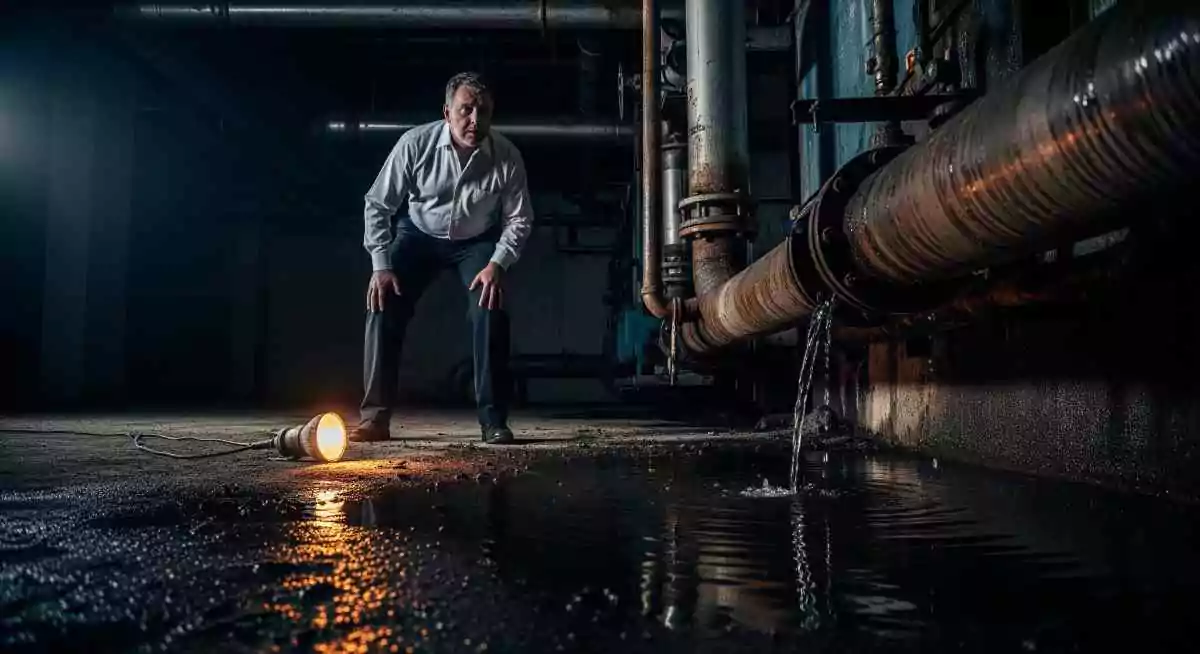
Underground aquifers deliver mineral-rich water and often microbial loads.
Common Concerns:
- High TDS and hardness affecting food color & texture
- Possible E. coli/coliform contamination if untreated
- Metallic taste altering teas, breads, and soups
- Boiling kills pathogens but not dissolved chemicals or hardness
Best Use Case:
- Only after filtration + disinfection + boiling
- Safe for cooking only when parameters are lab-verified
2. Municipal Water
Treated at source, but municipal water quality depends on final pipeline condition.
Common Concerns:
- Quality fluctuates by distribution route
- Chlorine affects beverages, broths, and dough fermentation
- Pipeline contamination possible post-treatment
- Requires periodic microbiological screening
Best Use Case:
- Good for washing & cooking only if municipal water quality is tested regularly
- Dechlorination improves fermentation results
3. Treated/RO Water
Purified, disinfected, and controlled — the safest water for cooking.
Strengths:
- Low TDS ensures better taste, aroma, and mouthfeel
- Removes bacteria, chemical residues, and turbidity
- Safe for cold beverages, ice, dough, and soup base
- Most consistent option for food manufacturing & QSRs
Best Use Case:
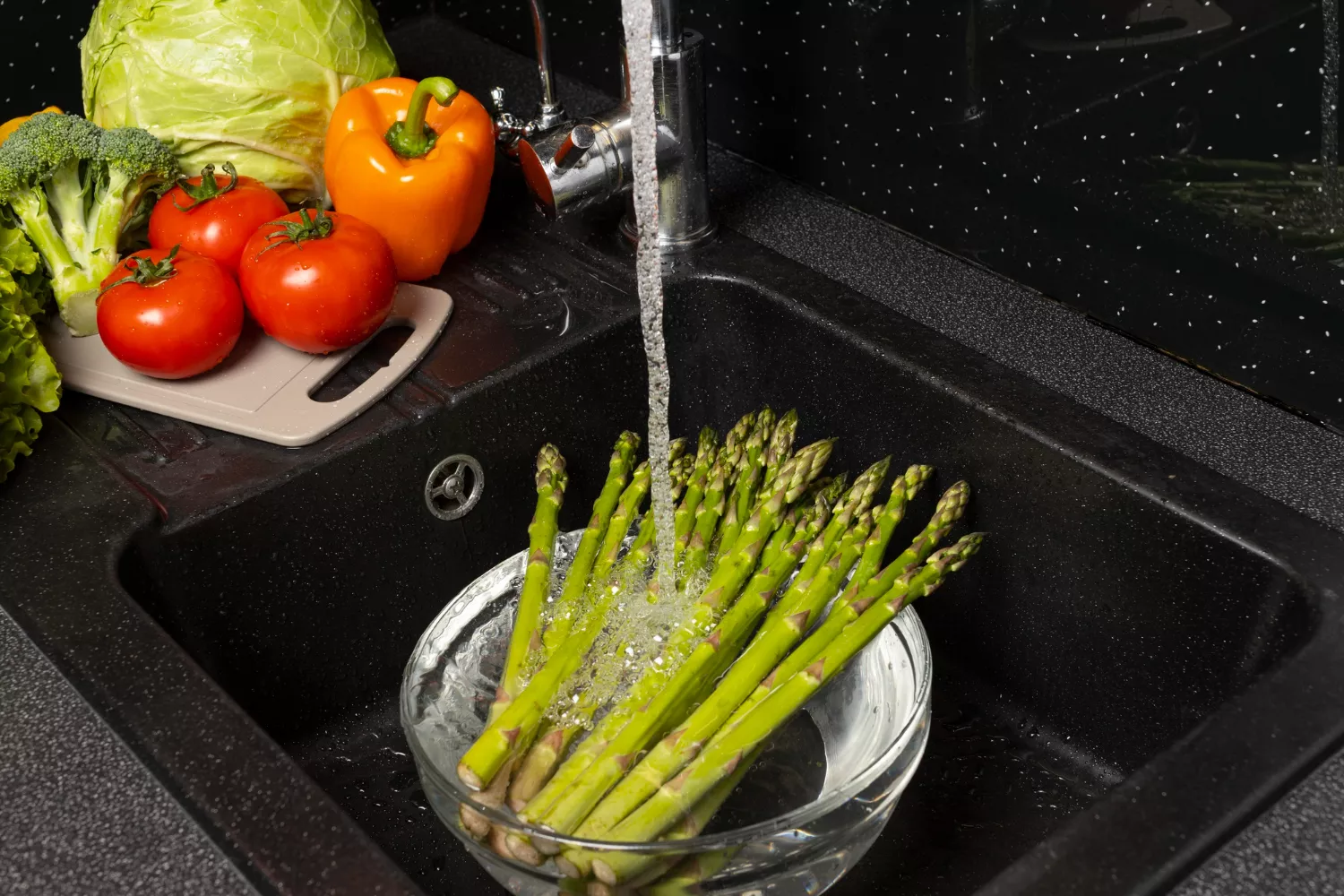
Cooking, beverages, ice, washing greens standard for food preparation operations
Water Impact Matrix for Food Preparation
| Factor | Borewell | Municipal | Treated/RO |
|---|---|---|---|
| Microbial Risk | High | Moderate | Low |
| Taste/Smell | Metallic / Hard | Chlorine Possible | Clean & Neutral |
| Food Safety | Unsafe without treatment | Acceptable if monitored | Safest for food preparation |
Common Real-World Problems in Kitchens
1) Beverage Taste Complaints
Where: Cafés, QSRs, beverage counters
Symptom: Coffee/tea tastes “off” or inconsistent
Cause: High TDS / hard water (usually borewell)
Fix: RO treatment to maintain TDS at 80–150 ppm
Result: Stable flavour profile + fewer customer complaints
2) Clean Water In, Dirty Water Out
Where: Cloud kitchens, caterers
Symptom: Repeated coliform detection despite “treated water”
Cause: Contaminated storage tanks, biofilm buildup
Fix: Quarterly tank cleaning + inline UV after storage
Result: Breaks recontamination cycle → safer cooking water
3) Fermentation Fails
Where: Batter/yogurt/fermentation-based kitchens
Symptom: Poor rise, slow fermentation, dull flavour
Cause: Residual chlorine killing good microbes
Fix: Carbon filtration + dechlorination step
Result: Predictable rise times + better aroma & flavour
Safe Water Checklist for Food Preparation
| Safe Practice | Why It Matters |
|---|---|
| Wash produce only in tested water | Removes pathogens fully |
| Use RO for beverages & cooking | Preserves flavour & nutrition |
| Test borewell water monthly | Underground contamination varies |
| Clean tanks every 15–30 days | Prevents biofilm recontamination |
| Never judge by taste or clarity | Clean water ≠ safe water |
If it enters the food, it must be verified.
How Equinox Labs Helps You Choose Right
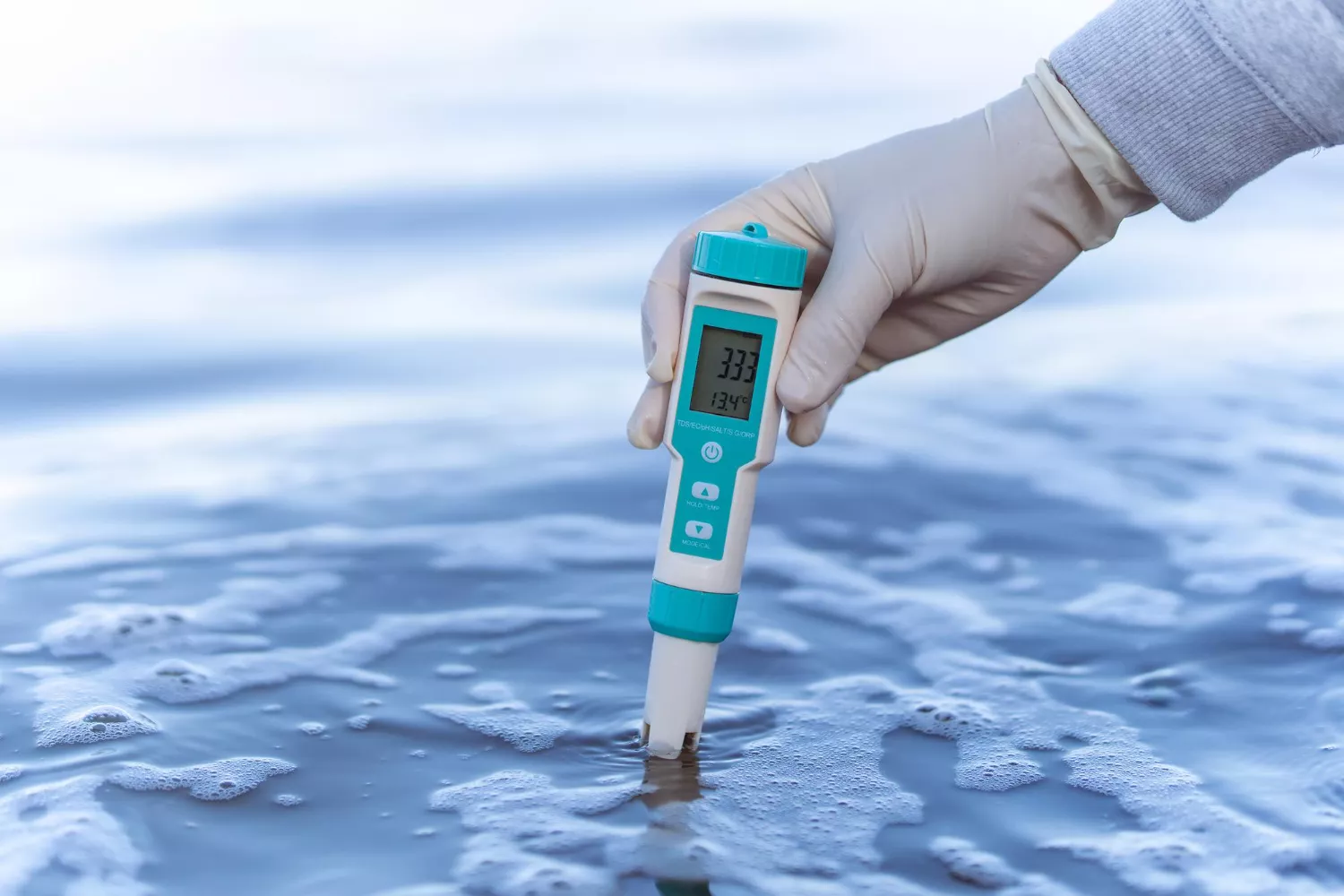
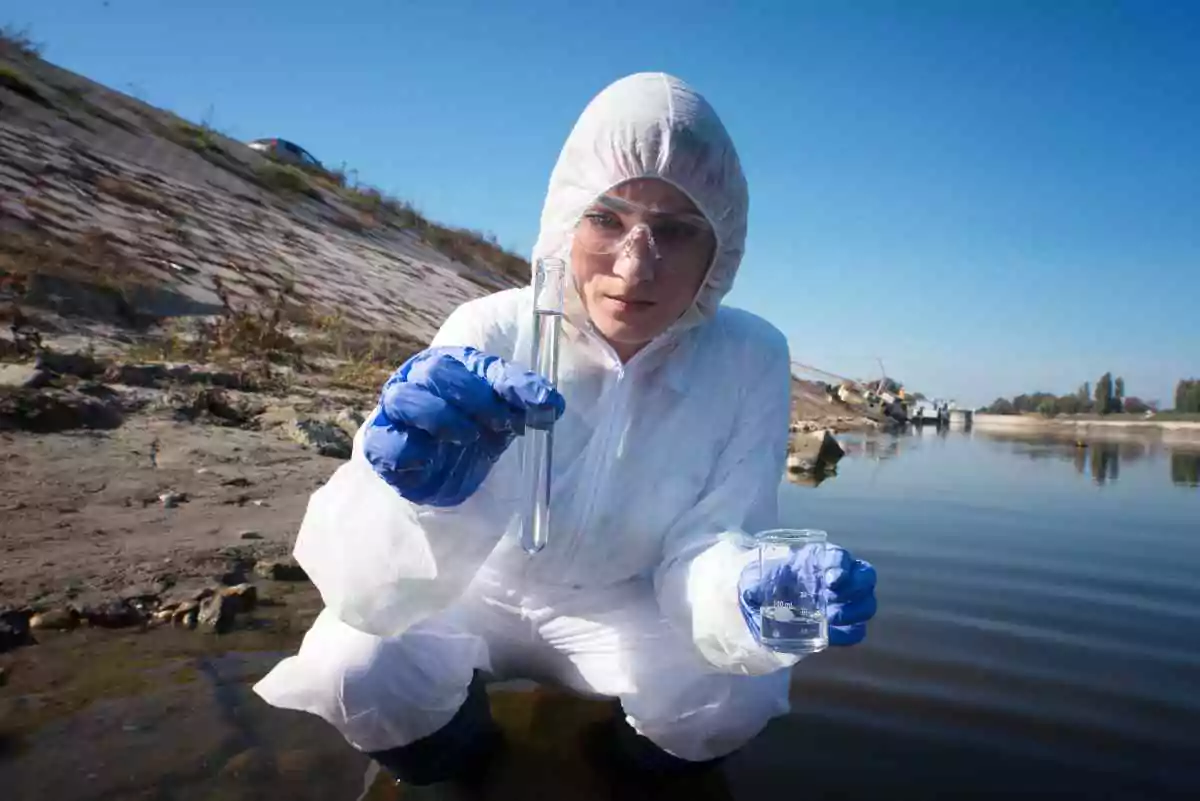
Complete water quality testing for kitchens & food facilities
Chemical and microbial profiling for TDS, chlorine, hardness, pH
Comparison reports: borewell vs municipal vs treated water
Clear corrective plan to upgrade water for food safety & taste
Safe food begins with safe water. Testing turns assumption into control.
Conclusion
From mineral-heavy borewell water to chlorine-treated municipal supply, every source behaves differently once it enters a recipe. Treated/RO remains the most reliable option for food preparation, but only when supported by routine water testing and system hygiene.
Food safety isn't just about how food is cooked — but what it’s cooked with.
FAQs
Not necessarily. Borewell water often contains hardness, minerals, and microbes. Boiling kills germs but not chemicals, so safety depends on
filtration and lab testing.
Boiling helps to eliminate pathogens such as E. coli, but TDS, hardness, heavy metals, and salt levels remain constant. For cooking, boiling alone is insufficient; purification or RO treatment is recommended.
RO/treated water is the safest option for cooking, washing vegetables, making drinks, and fermenting. It offers low TDS, neutral taste, and minimal microbial risk compared to untreated sources.
Municipal water is often cleaned, but pipeline contamination, chlorine residue, and uneven quality make it unreliable. It is only permitted if it is regularly checked for germs and leftover contaminants.
Water goes into dough, rice, curries, beverages, and even ice. One unsafe source can affect taste and health. Testing prevents food risk.