
Introduction
Water is perhaps the most priceless and underappreciated resource on Earth. As our population grows, urbanizes, and our climate changes, stress on the water resource increases. Ensuring sustainable access to clean water requires coordinated action at every level: individual, community, industry, and government.
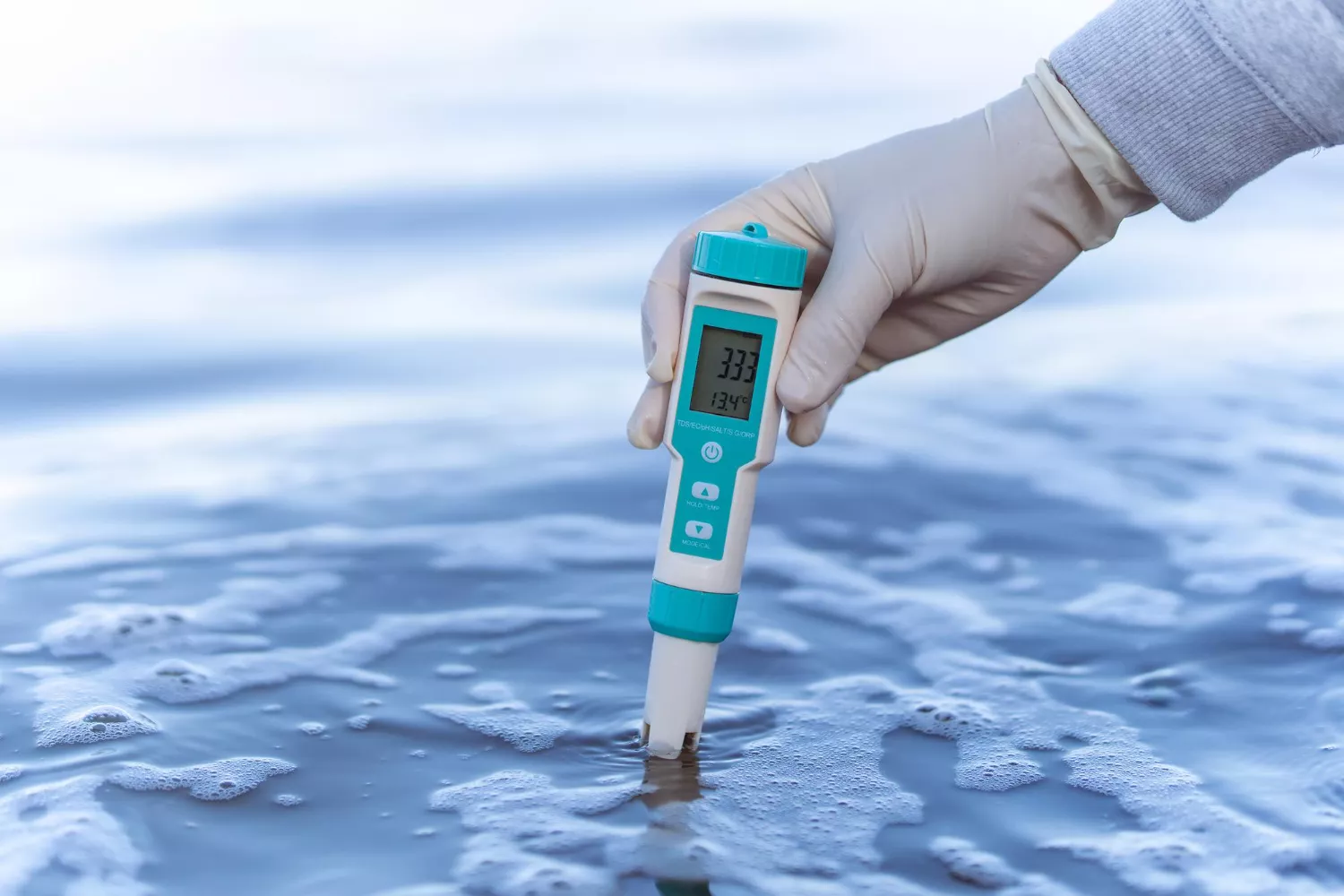
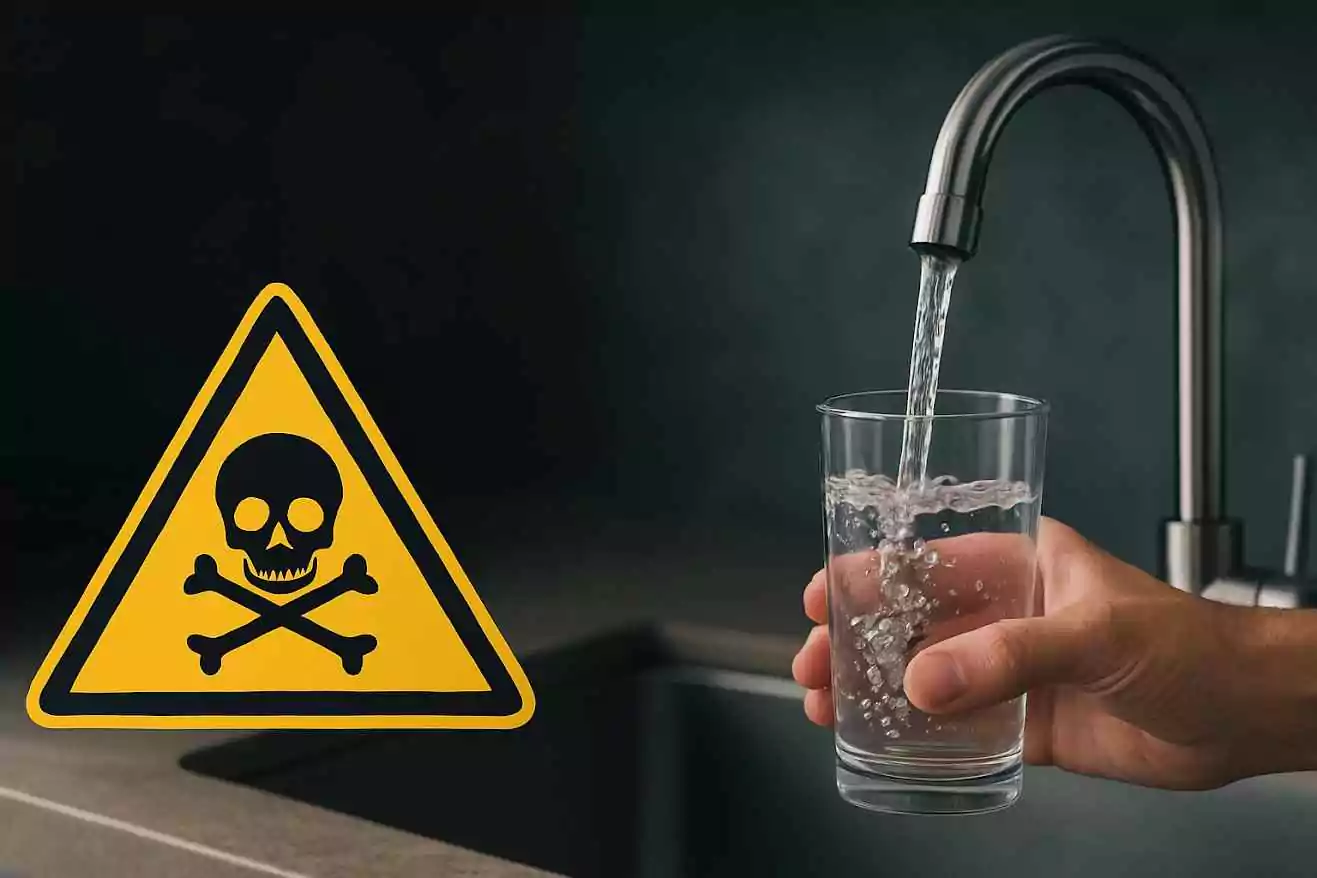
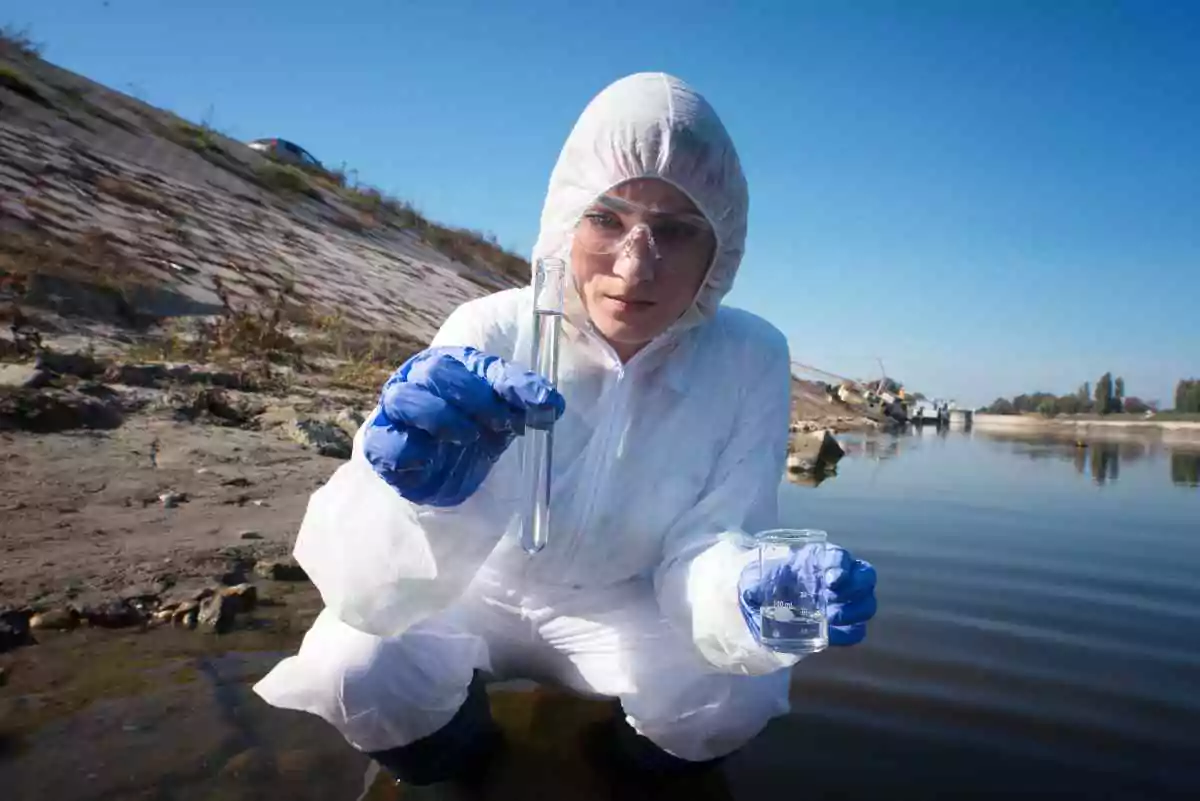
Recent incidents, such as the brain-eating amoeba detected in Kerala’s freshwater sources, remind us how unsafe water can pose serious health risks when left unchecked. Regular monitoring and water testing are just as vital as conservation practices to ensure the water we preserve is also safe to use.
Below are ten essential ways to preserve our water resources, methods that support water conservation, safeguard the water cycle, help address localized water challenges, and tie into global awareness efforts like World Water Day.
The 10 Essential Ways
1. Rainwater Harvesting and Storage
Capturing rainfall from rooftops, paved surfaces, or catchments and storing it in tanks, cisterns, or underground reservoirs.
Why it matters
Reduces demand on municipal water supply, alleviates storm runoff, and diversifies water sources.
How to do it
- Use gutters, downspouts, and first-flush diverters.
- Store water in covered tanks to prevent contamination or mosquito breeding.
- Use harvested water for toilet flushing, laundry, irrigation, or washing.
Best practices
Combine with filtration or disinfection for potable use, and monitor storage levels for overflow management.
2. Greywater Recycling and Reuse
Gently used water from showers, sinks, dishwashers, or laundry (not toilets or kitchen sinks with grease) can be reused for non-potable purposes.
Uses
- Irrigation
- Toilet flushing
- Washing outdoor surfaces
Precautions
- Use biodegradable, low-phosphate soaps.
- Avoid stagnation to prevent bacterial growth.
- Follow local building codes and health guidelines.
3. Implement Efficient Irrigation & Agriculture
Use drip irrigation, micro-sprinklers, soil moisture sensors, and smart controllers to optimize water use in agriculture.
- Mulching, contour farming, no-till farming to reduce evaporation and soil erosion.
- Plant drought-tolerant or native crops, schedule irrigation at cooler hours.
4. Water-Smart Landscaping (Xeriscaping & Native Plants)
- Xeriscaping with drought-tolerant plants.
- Use native species and organic mulch to reduce water use.
- Plant shade trees and ground cover to retain soil moisture.
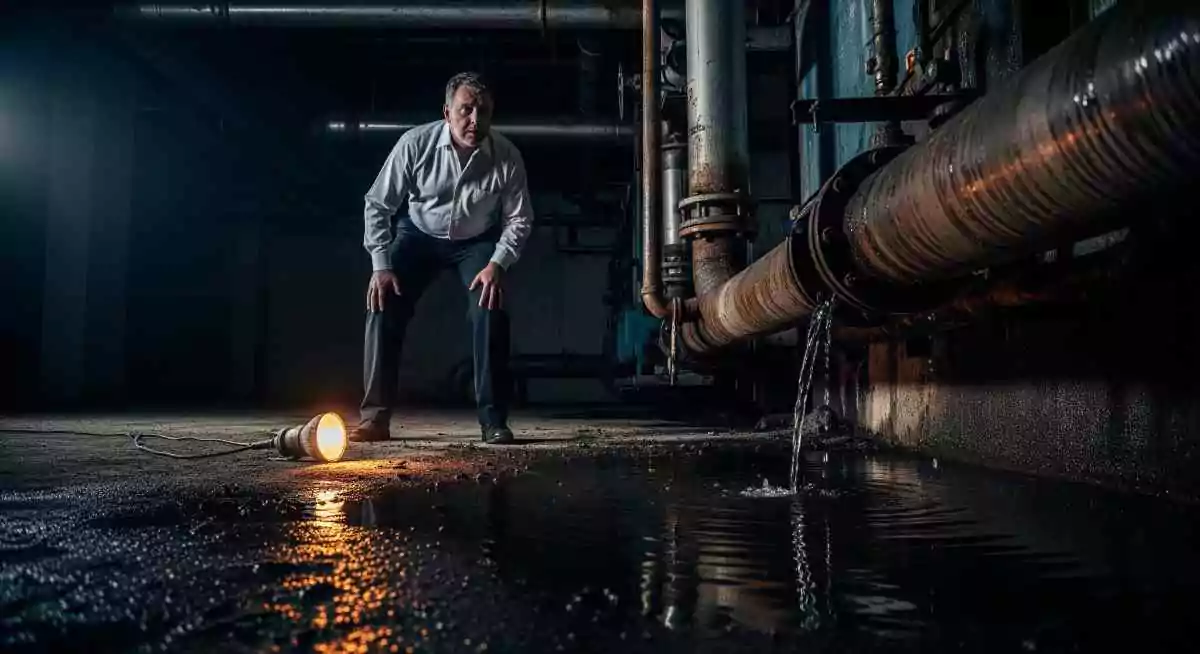
5. Fix Leaks Promptly & Monitor Use
Leaking taps, pipes, and toilets can waste thousands of liters. Use water audits, leak detection devices, and prompt repairs.
6. Use Water-Efficient Appliances & Fixtures
- Low-flow faucets & aerators
- Dual-flush or low-flush toilets
- High-efficiency washing machines / dishwashers
- Smart metering / monitoring systems
7. Protect and Restore Watersheds & Wetlands
- Forest protection & reforestation
- Control pollution & runoff
- Buffer zones & riparian strips
- Wetland conservation
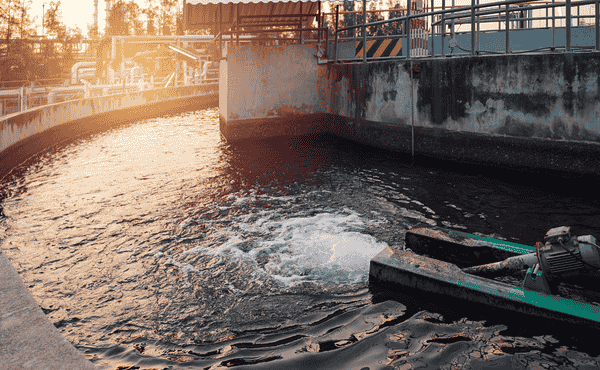
8. Advance Water Recycling & Wastewater Reuse
- Municipal wastewater treatment & reuse
- Industrial water reuse / Zero Liquid Discharge
- Decentralized local treatment systems
9. Encourage Public Awareness, Education & Policy
- Education campaigns on water-saving habits
- Incentives, rebates, and subsidies for water-efficient systems
- Water pricing, regulations, and enforcement
- Observance of World Water Day
10. Explore Alternative and Emerging Technologies
- Desalination
- Atmospheric water harvesting / fog capture
- Membrane filtration, advanced oxidation, sensors & IoT
- AI / predictive models for water demand forecasting and leak detection
Connecting to Local Context
By diversifying and securing local sources of rainwater, greywater, and treated wastewater, communities can reduce dependence on distant or overexploited supplies. Maintaining the water cycle locally ensures sustainability for neighborhoods and cities.
Global Awareness & World Water Day
Each year on World Water Day, communities spotlight water issues and mobilize support, reinforcing that water is a shared global responsibility. Observances and education campaigns help encourage action at all scales.
Conclusion
Preserving water is both a technical and behavioral challenge. Combining conservation, technology, policy, and education ensures we protect this vital resource. Sustainable water use is essential for health, industry, agriculture, and ecosystems alike.
About Equinox Labs: Equinox Labs provides accurate water testing services to ensure drinking water, industrial water, and packaged water meet safety guidelines, protecting communities and businesses.
FAQs
Natural sources of water like rivers, lakes, groundwater, and rain that humans use for life and development.
It supports life, health, food production, energy, industry, and ecosystems.
Drinking, cooking, cleaning, farming, industry, power generation, transport, climate balance, sanitation, and ecosystems.
Provides safe water supply, food security, energy, livelihoods, biodiversity protection, and economic growth.
Related Blogs