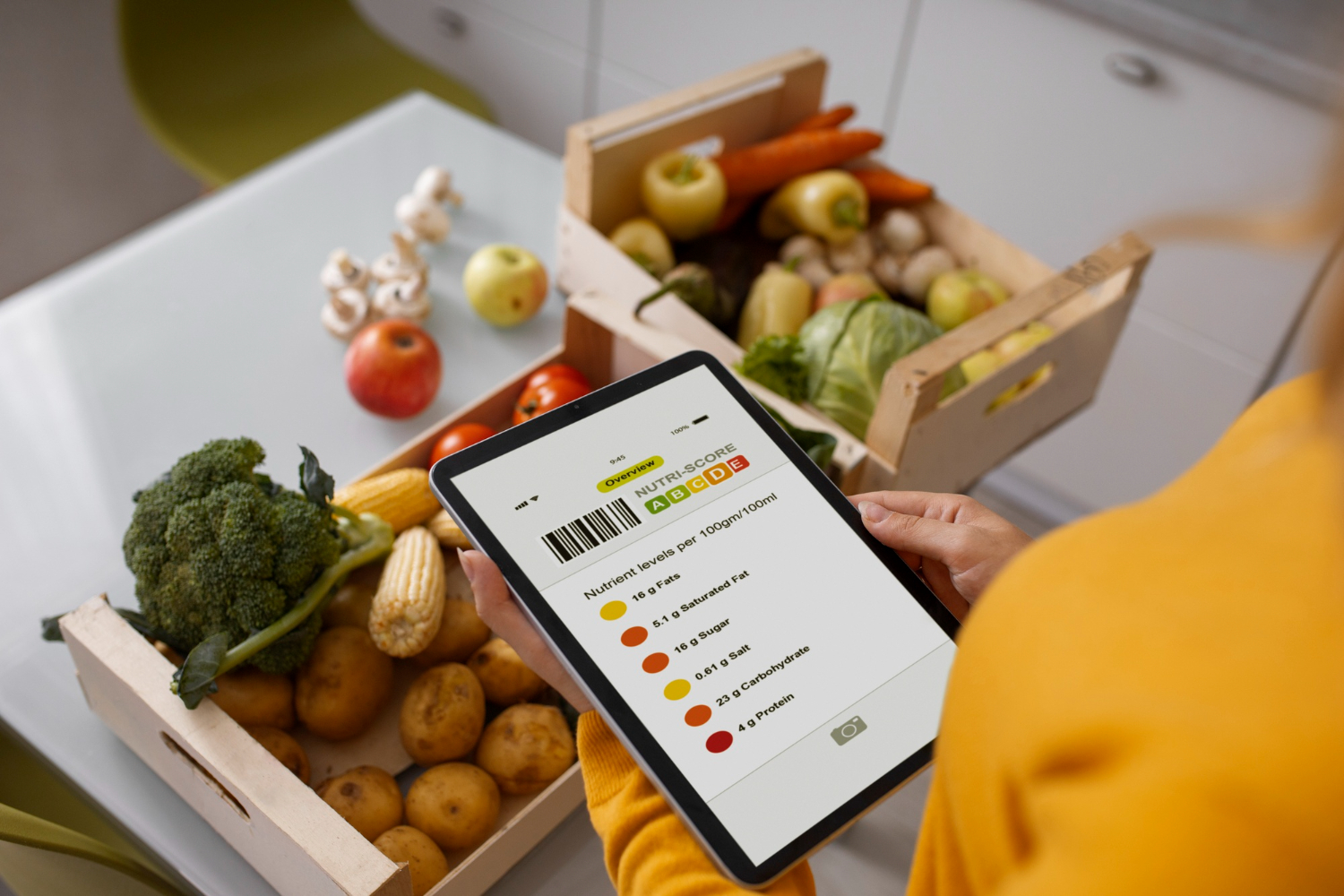
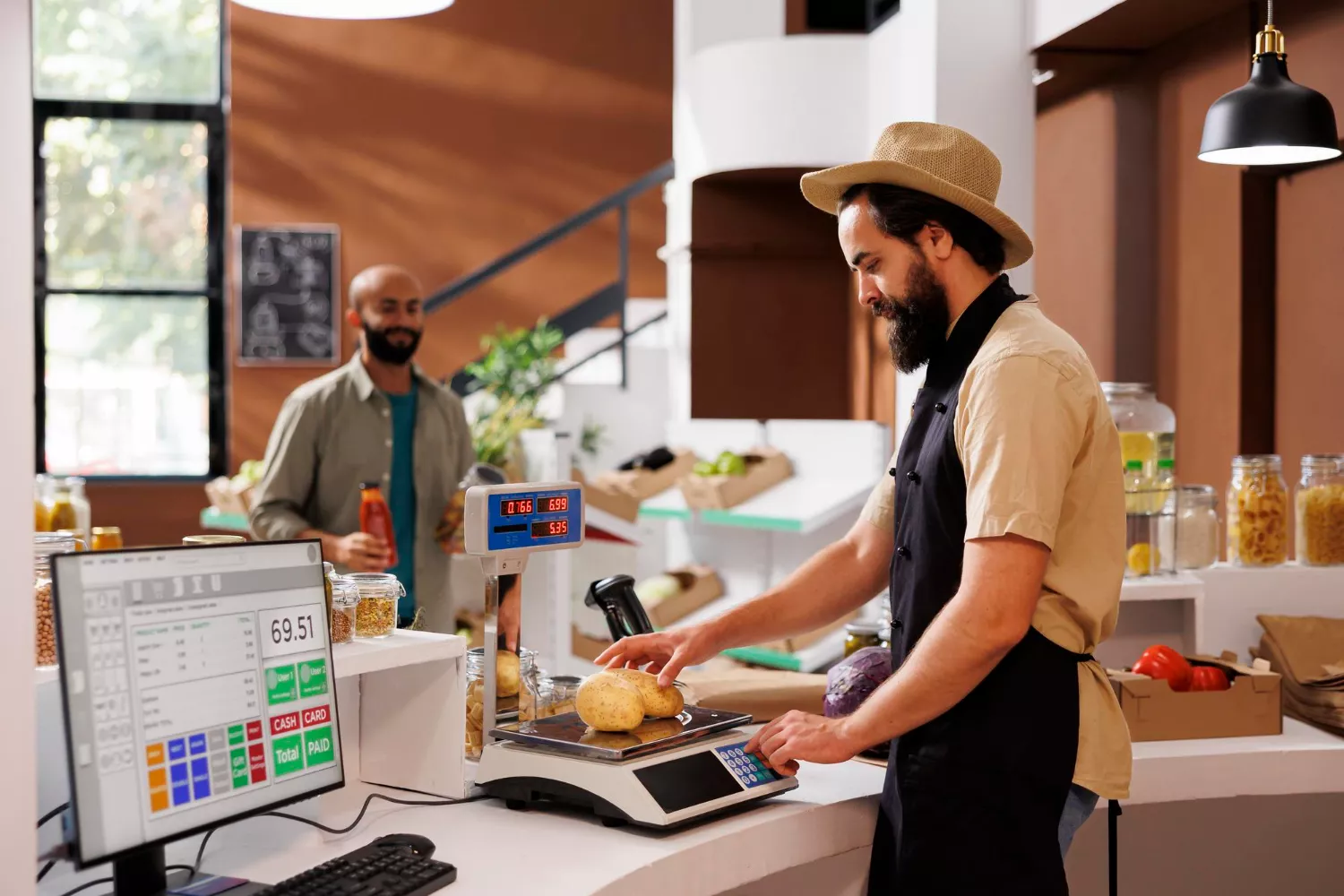
Every month, food businesses lose up to 10–15% of their inventory without realizing it because of poor inventory decisions.
Most businesses assume the biggest problem is food wastage, expired ingredients, or unsold stock. But poor food inventory management creates a much bigger problem that silently affects profits, customer trust, and compliance.
Issues like overordering, understocking, poor inventory tracking, and weak stock management can quickly disrupt restaurant operations. What starts as a stock issue often turns into higher food cost percentage, food spoilage, customer dissatisfaction, and even food safety risks.
For businesses in high-demand markets these problems can escalate fast. Working with a trusted food testing lab in Mumbai or food testing lab in Navi Mumbai helps reduce these risks by supporting better shelf life testing and spoilage prevention, shelf-life validation, and compliance readiness.
Poor inventory management is not just wasting food. It is quietly reducing your profitability.
What Is Food Inventory Management?
Food inventory management is the process of tracking, storing, rotating, and replenishing food stock to ensure quality, reduce waste, and improve profitability.
Accurate inventory tracking becomes even more effective when supported by food testing and inspection services that validate shelf life and ingredient quality.
In simple terms, it helps businesses know:
- what stock is available
- which ingredients need to be used first
- when stock is close to expiry
- when to reorder
- how much to order
Strong restaurant inventory management improves inventory tracking, stock visibility, and ingredient tracking, helping businesses avoid spoilage and unnecessary loss.
It also supports:
- food cost control
- demand planning
- order forecasting
- shelf life monitoring
- smoother restaurant operations
This is why inventory management is important for every food business, from restaurants to food manufacturers.
Why Poor Inventory Management Hurts More Than Food Waste
Most businesses think the problem ends with wastage. That is only the visible layer.
Most inventory losses show up as as reduced margins, emergency purchases, and inconsistent food quality.
The hidden costs are far more damaging.
- Rising Food Costs : Poor inventory control leads to overordering, unused ingredients, and dead stock. This directly increases food cost percentage and reduces margins.
- Food Spoilage and Expiry Loss : Without proper expiry date tracking and shelf life monitoring, ingredients spoil before they are used. Many businesses still misunderstand the difference between shelf life and expiry date, which leads to preventable inventory loss and food waste. In many cases, poor inventory control can increase food costs by 15–20%, directly impacting margins.
- This increases:
- inventory loss
- food waste
- emergency purchase costs
- Understocking and Lost Customers : Understocking often leads to unavailable menu items and service delays. A customer who cannot order their preferred dish may not return.
- Operational Disruption : Weak inventory tracking affects restaurant operations, creates confusion for kitchen teams, and slows down order fulfillment.
Common Inventory Management Mistakes in Food Businesses
Some of the most common inventory management mistakes include:
- No FIFO inventory method
- Poor stock visibility
- No regular inventory audits
- Using manual spreadsheets
- No POS-integrated inventory system
- Poor portion control
- Lack of demand planning
- Weak food stock tracking methods
These issues are usually the result of a few consistent inventory mistakes that go unnoticed until it's too late.
Best Practices for Food Inventory Management
Improve efficiency, reduce waste, and stay audit-ready with these proven inventory practices.
Use FIFO Inventory Method
The FIFO (First In, First Out) method ensures older stock is used before newly purchased ingredients. This reduces spoilage and improves food quality. Combine FIFO with food testing support to extend shelf life, retain nutrition, and improve product stability.
Conduct Inventory Audits
Regular inventory audits help identify stock mismatches, wastage, and operational gaps, ensuring better control over your inventory system.
Improve Inventory Tracking
Use software-based inventory tracking systems with POS integration for real-time updates, better accuracy, and reduced manual errors.
Focus on Demand Planning
Accurate demand forecasting helps reduce overordering and understocking, improving profitability and operational efficiency.
Monitor Shelf Life
Consistent shelf life monitoring and expiry date tracking help reduce food waste, maintain compliance, and ensure product safety.
What FSSAI Says About Inventory and Food Safety
Poor inventory management is not just an operational issue — it’s a serious compliance risk.
Expired ingredients, improper stock rotation, and unsafe storage conditions can directly impact food safety standards and lead to regulatory action.
This is where FSSAI food testing and food safety audit services become essential to ensure compliance and protect your business.
- Raw material quality
- Storage safety
- Shelf-life accuracy
- Microbial safety
- Traceability
Failing to manage these can significantly increase the risk of non-compliance, product recalls, and penalties.
Compliance Risk Alert
Poor inventory control can lead to audit failures, legal notices, and damage to brand reputation. Staying compliant is not optional — it’s critical for survival in the food industry.
How Food Testing Helps Reduce Inventory Loss
A reliable FSSAI-approved food testing lab helps businesses prevent inventory-related risks before they impact profitability.
- Shelf-life validation
- Spoilage analysis
- Contamination checks
- Quality verification
- Storage stability studies
For businesses looking for a trusted food testing lab, scientific testing provides data-backed insights that improve stock decisions and reduce hidden losses.
For example, many food businesses discover through testing that their products either spoil faster than expected, or can safely last longer. This directly impacts ordering decisions, reduces unnecessary waste, and improves inventory planning.
How Equinox Labs Supports Food Businesses
We help food businesses make smarter inventory decisions by bringing scientific clarity to shelf life, spoilage risks, and product stability.
- ✔️ FSSAI Food Testing
- ✔️ Food Safety Audit Services
- ✔️ Shelf-Life Validation
- ✔️ Spoilage Risk Assessment
- ✔️ Compliance Support
As a trusted food testing lab in Mumbai and food testing lab in Navi Mumbai, Equinox Labs helps businesses reduce waste, improve profitability, and maintain food safety compliance.
Why Choose Equinox Labs?
Our scientific testing and expert insights enable food businesses to take proactive decisions — preventing inventory losses, improving product quality, and ensuring compliance with FSSAI standards.
Conclusion
The difference between a profitable food business and a struggling one is control. And inventory is where that control begins.
If you don’t know how long your products truly last, you’re making inventory decisions blindly. Partnering with a reliable FSSAI-approved food testing lab brings data into those decisions reducing waste, improving margins, and strengthening compliance.
Poor food inventory management is not just about food waste. It affects profitability, customer trust, operational efficiency, and compliance.
FAQs
Food inventory management is the process of tracking, storing, rotating, and replenishing food stock to reduce waste, control costs, and maintain quality. It helps
businesses know what ingredients they have, what needs to be used first, and when to reorder.
Food inventory management is important because it helps reduce spoilage, prevent stock shortages, and improve profitability. It supports better food cost control, smoother
restaurant operations, and ensures ingredients are used before expiry.
Food inventory management reduces food waste by using methods like FIFO, expiry date tracking, and shelf life monitoring. These practices ensure older stock is used
first and ingredients do not spoil before use.
Best practices for food inventory management include FIFO stock rotation, regular inventory audits, demand planning, inventory tracking software, and daily expiry checks. These
methods help improve stock visibility and reduce inventory loss.
Strong food inventory management improves profitability by reducing overordering, preventing understocking, and controlling food costs. Better inventory control also improves stock
accuracy, reduces waste, and supports efficient restaurant operations.