Introduction: Diwali and Environmental Impact
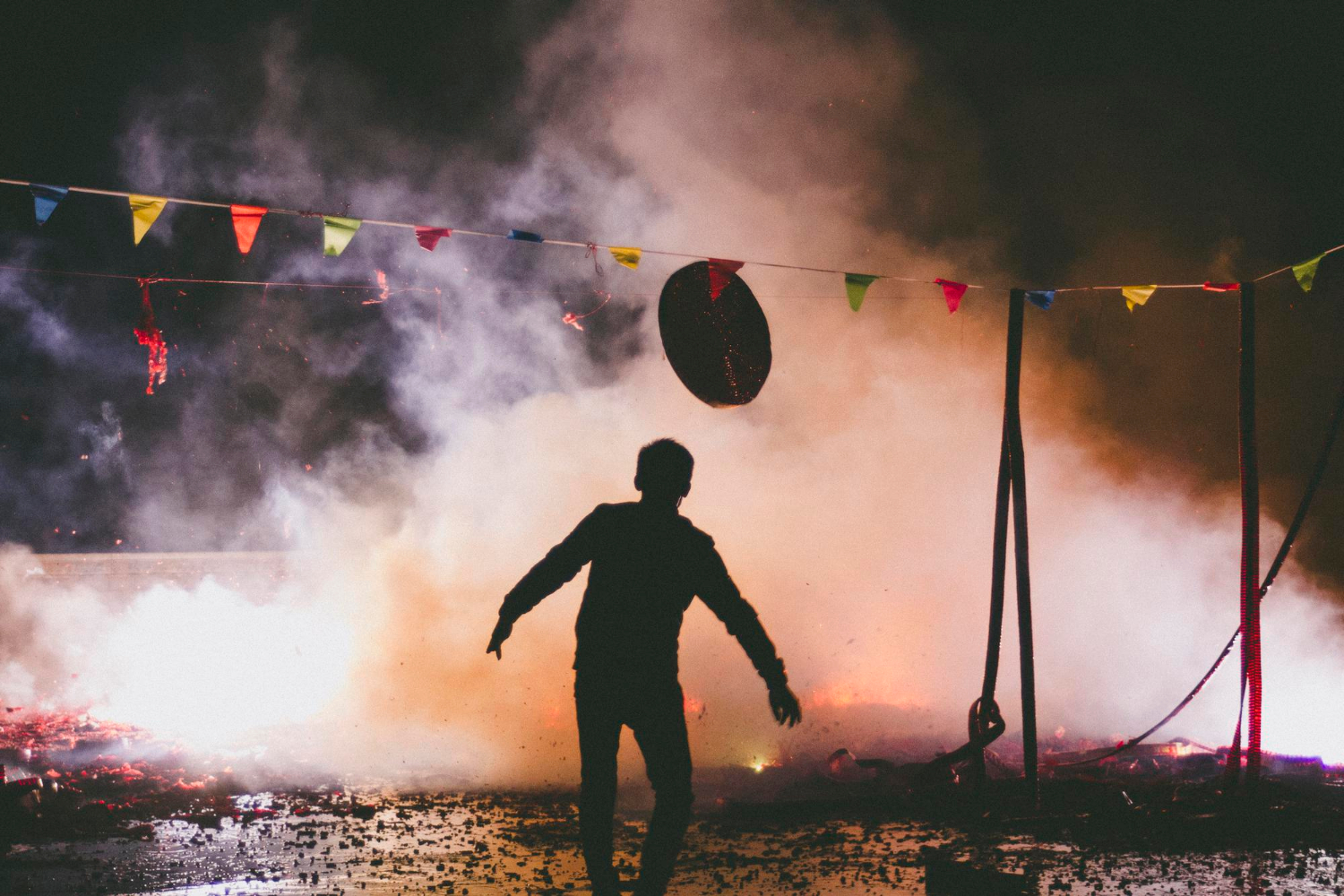
Diwali is a festival of lights, joy, and celebration. Streets sparkle with lamps, homes are decorated, and fireworks light up the night sky. But while we celebrate, our environment pays a heavy price. The air, soil, and water all bear the brunt of the festival’s activities, especially from firecrackers and excessive waste. Understanding these impacts is crucial if we want a cleaner, safer environment for ourselves and future generations.
Post-Diwali Air Quality
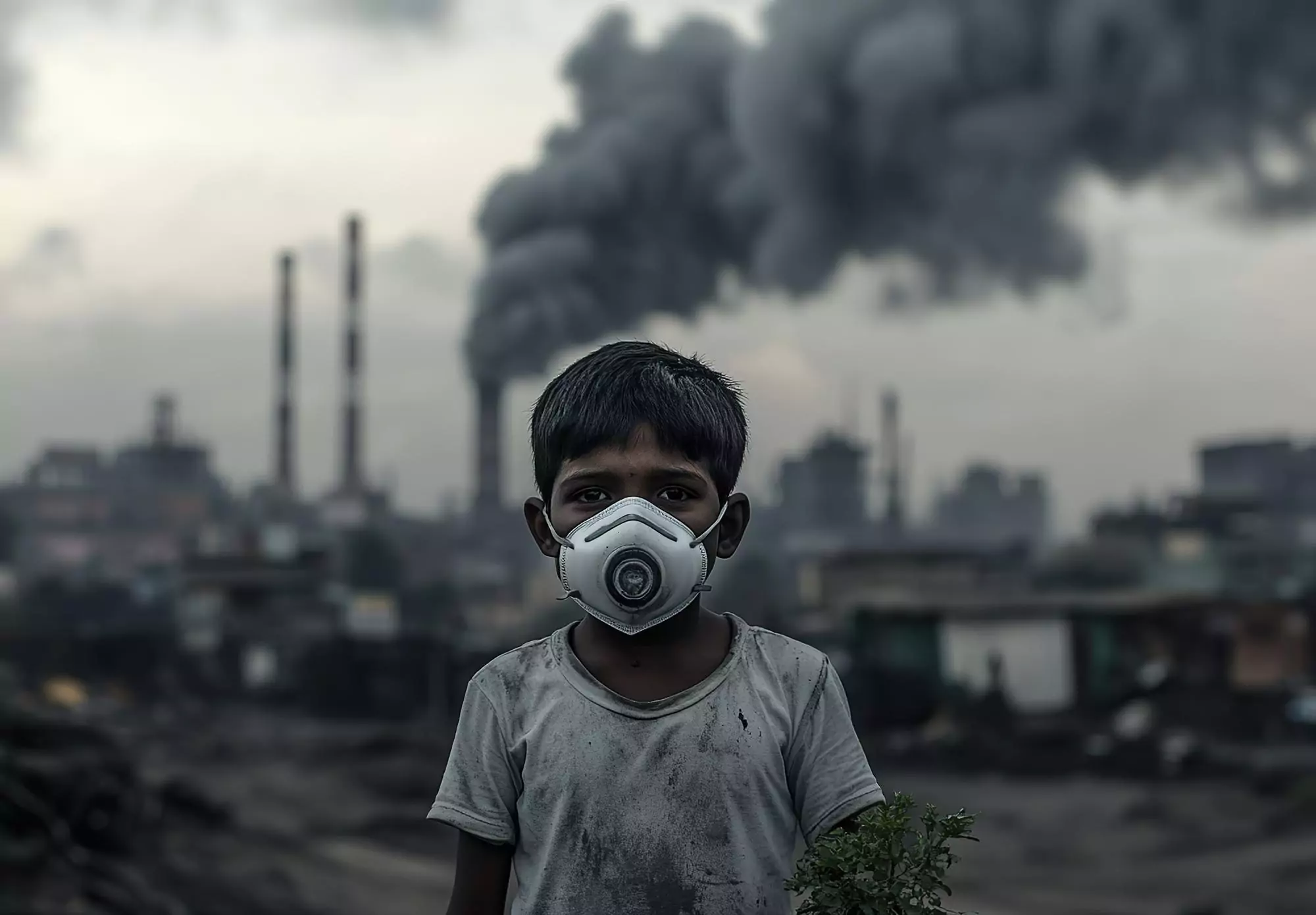
During Diwali, bursting firecrackers releases a large amount of pollutants into the atmosphere. While the celebrations may last only a night or two, the air pollution can linger for days, affecting cities, towns, and nearby villages.
Key Pollutants in Post-Diwali Air
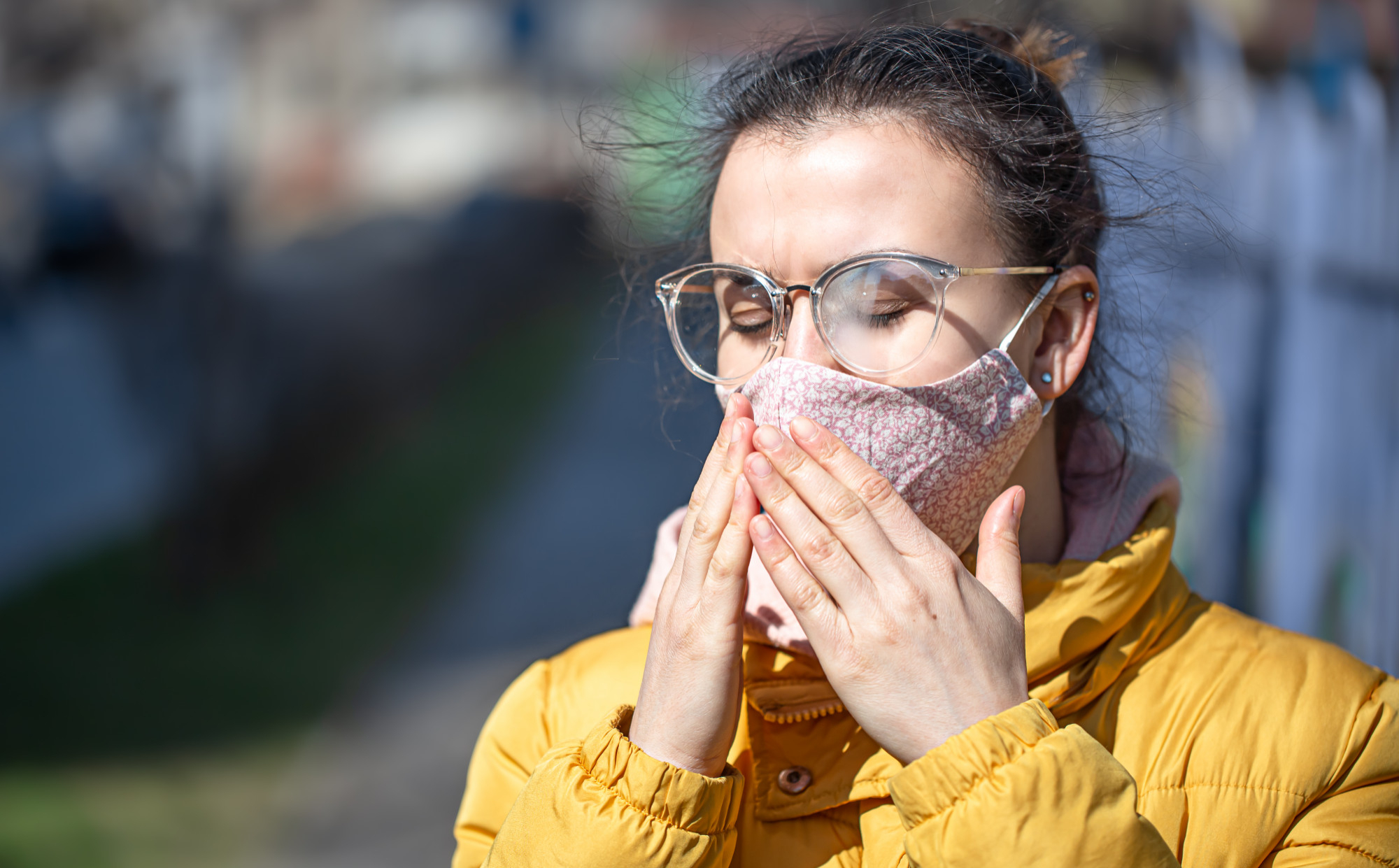
- Particulate matter (PM2.5 and PM10): Tiny particles that penetrate lungs and cause respiratory issues.
- Sulfur dioxide (SO₂) and nitrogen oxides (NO₂): Gases that contribute to acid rain and respiratory problems.
- Carbon monoxide (CO): Reduces oxygen-carrying capacity of blood and is particularly harmful to vulnerable groups.
- Heavy metals (lead, cadmium): From colored fireworks — these settle on the ground and can enter water systems.
Note: Even days after Diwali, AQI can remain in the very unhealthy or hazardous range, impacting schools, businesses, hospitals, and sensitive populations.
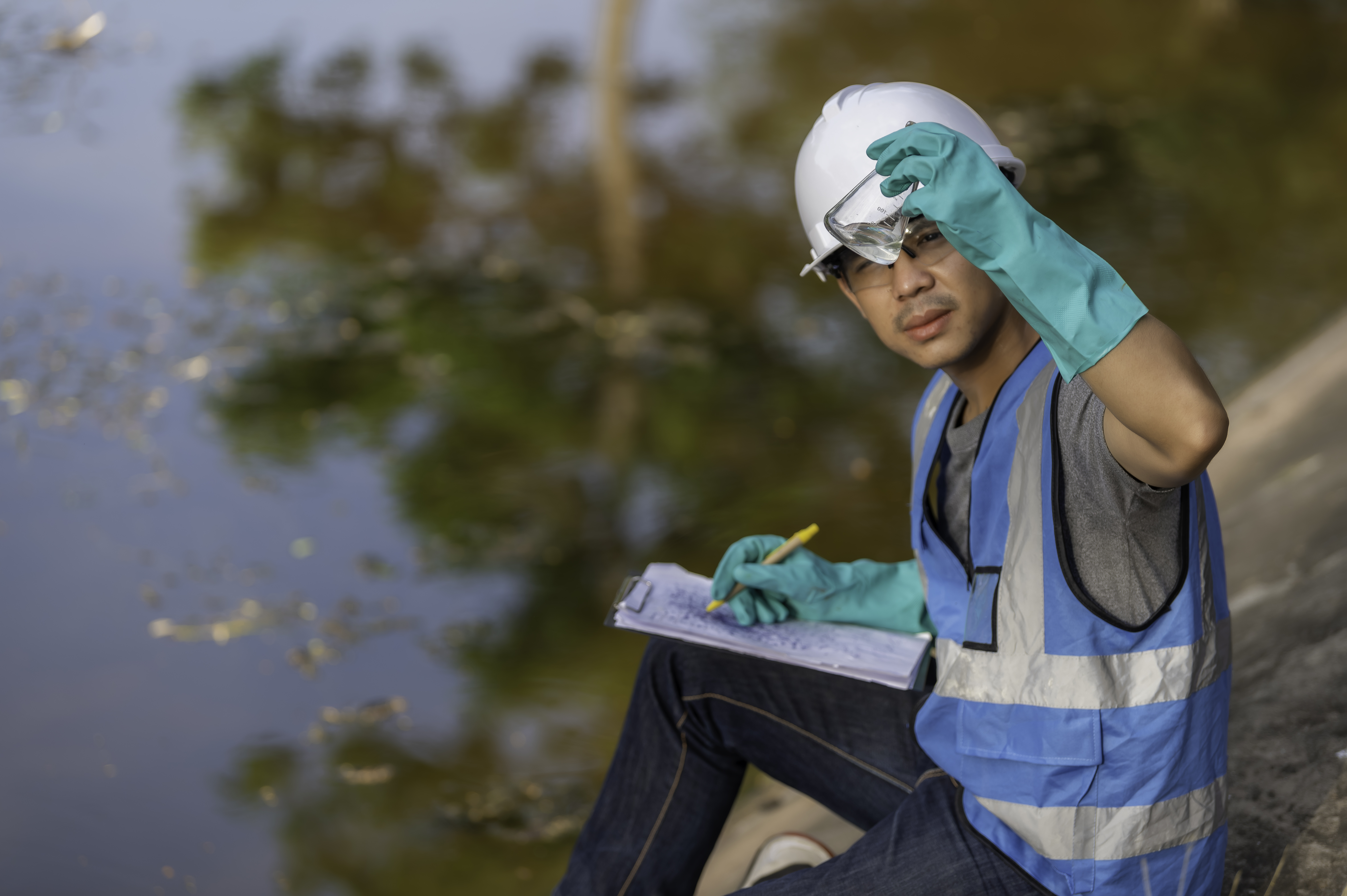
Impact on Water Quality
Pollutants from firecrackers and waste don’t just float in the air — they eventually settle on the ground and wash into rivers, lakes, and drainage systems.
How Water Gets Polluted
- Heavy metals and chemicals: Colors and powders often contain toxic metals that contaminate water.
- Plastic and decorative waste: Wrappers, packaging, and glitter enter water bodies and harm aquatic life.
- Alkalinity and pH imbalance: Firework residues can alter pH, affecting fish and aquatic organisms.
Environmental Consequences
- Fish and aquatic animals can die due to toxicity.
- Polluted water affects crops irrigated with contaminated water.
- Human consumption of contaminated water can lead to long-term health issues.
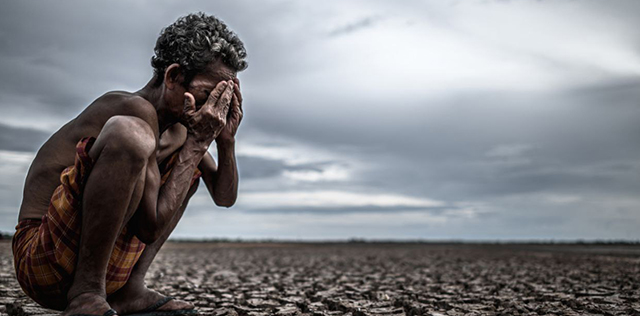
Effect on Soil and Land
Fireworks and excessive waste also leave their mark on soil.
Soil Contamination
- Heavy metals: Lead, cadmium, and mercury can accumulate in the soil.
- Non-biodegradable waste: Plastic wrappers and synthetic decorations block soil drainage.
- Chemical residues: Powders from fireworks can reduce soil fertility over time.
Consequences for the Environment
- Reduced agricultural productivity due to toxic soil.
- Harm to beneficial microorganisms that maintain soil health.
- Increased risk of toxins entering the food chain.
Harm to Wildlife
Birds and small animals are sensitive to loud noises and toxic air. Firecracker smoke can irritate respiratory systems of pets and stray animals. Aquatic life is affected by chemical runoff into water bodies.
Tip: Keep water bowls for pets indoors during Diwali and clean outdoor areas promptly to minimize harm.
Steps to Recover the Environment Post-Diwali
Recovering from Diwali-related damage requires conscious action and community effort. Here are practical steps:
Air Recovery
- Use air purifiers with HEPA filters to trap PM2.5 and PM10.
- Limit outdoor activity for a day or two until AQI improves.
- Plant trees (neem, peepal, banyan) and encourage green pockets in urban areas.
Water Protection
- Avoid washing firecracker residues into rivers and lakes.
- Collect colored powders and chemical waste and dispose of them properly.
- Support or organize local clean-up initiatives to clear drainage and water bodies.
Soil Restoration
- Segregate and dispose of plastic and synthetic decorations correctly.
- Use organic compost and soil amendments to restore fertility.
- Avoid burning leftover waste — recycle where possible.
Community Awareness
- Organize eco-friendly Diwali drives to reduce firecracker usage.
- Promote LED lights, community shows, and reusable decorations.
- Run campaigns for safe disposal and collection of festival waste.
Role of Indoor Air Testing
Even after Diwali, harmful particles can remain indoors, especially in cities with high outdoor pollution. Monitoring indoor air quality is essential for protecting families.
What indoor air testing does:
- Detect particulate matter, VOCs, and other hidden pollutants indoors.
- Provide recommendations to improve air quality at home.
- Help households recover faster and reduce long-term health risks.
Equinox Labs offers comprehensive indoor air testing services to help you recover confidently after Diwali.
Eco-Friendly Alternatives for Future Diwalis
- LED and laser lights instead of firecrackers.
- Community fireworks (one organised show) to limit total firecracker use.
- Natural colors for decorations and eco-friendly packaging.
- Reusable diyas and minimal single-use plastics.
FAQs
Air pollution can linger for several days; soil and water contamination may last weeks if not cleaned promptly.
Yes. Trees and indoor plants like aloe vera, money plant, and areca palm absorb pollutants and improve indoor air quality.
Yes. Chemicals from firecrackers can harm aquatic life and affect human health if water is used for drinking or irrigation.
Contact a certified air testing lab like Equinox Labs or other accredited providers to arrange indoor air quality testing. They will measure PM, VOCs, and other pollutants and provide remediation advice.
Contact Us
If you'd like a professional indoor air test or a site consultation for post-Diwali recovery, email Equinox Labs or use the contact form on our website.